theo chúng tôi


theo chúng tôi
gần đây bài viết
Việc ứng dụng bột mica Trong kỹ thuật in lụa, trọng tâm từ lâu đã là tái tạo các hiệu ứng quang học phức tạp của mica tự nhiên Khả năng phản chiếu ánh sáng của ngọc trai lên bề mặt vải. Ánh sáng lấp lánh của ngọc trai không phải là kết quả của sự phản chiếu đơn giản; nó bắt nguồn từ sự giao thoa và phân hủy ánh sáng lặp đi lặp lại bên trong cấu trúc trong suốt nhiều lớp được hình thành bởi chất tiết của vỏ sò. Hiểu được vật lý này là điều cần thiết, vì việc phát triển bất kỳ sản phẩm chất lượng cao nào đều phụ thuộc vào điều này. bột màu mica hoặc mica tổng hợp Về cơ bản, đây là một bài tập mô phỏng lớp trung gian quang học chính xác này.
Những nỗ lực ban đầu nhằm tạo hiệu ứng ánh ngọc trai bằng cách sử dụng chiết xuất vảy cá trên các quả cầu thủy tinh đã thất bại do cấu trúc quá dễ vỡ. Bước đột phá đã đến vào cuối thế kỷ 20 khi các nhà nghiên cứu sử dụng... tấm mica tự nhiên như một chất nền ổn định. DuPont Quy trình năm 1970 của hãng này—sử dụng lõi mica với lớp phủ titan dioxide—là một cột mốc quan trọng. Đây là phương pháp quy mô công nghiệp đầu tiên đạt được sự kiểm soát chính xác hiện tượng giao thoa ánh sáng bằng cách điều chỉnh độ dày tinh thể của titan dioxide hydrat trên bề mặt mica. Điều này đã thiết lập phương pháp luận cho việc sản xuất hàng loạt "ánh sáng kiến trúc".
Dòng Vàng: Bằng cách phủ một lớp oxit sắt lên cấu trúc "mica-titan dioxide" cổ điển, các nhà sản xuất tạo ra bột mica vàng Và bột mica vàng hồng .
Dòng sản phẩm kim loại: Việc sử dụng oxit kim loại có chiết suất cao cho phép các chất màu phi kim loại phát ra ánh sáng lạnh. bột mica kim loại Độ bóng cao, lý tưởng cho mica dùng trong sản xuất xà phòng, sơn ô tô và màng phim.
Sự ổn định: Trong các thử nghiệm so sánh quá trình lão hóa do phòng thí nghiệm iSuoChem thực hiện, bột ánh ngọc trai mica-titan Nó vẫn giữ được độ ổn định trong khi các loại bột đồng-vàng truyền thống bị oxy hóa nhanh chóng.
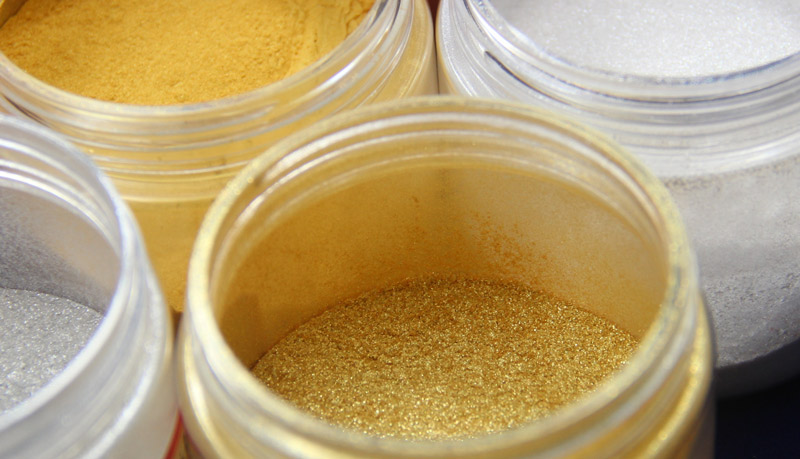
Việc ứng dụng thành công bột màu vào in lụa đòi hỏi phải duy trì cấu trúc quang học phức tạp này trong suốt giai đoạn in động. Việc trộn bột nhão rất phức tạp; bột mica dùng cho nhựa và vải phải được xử lý cẩn thận để bảo vệ các mảnh mica.
1. Tính lưu biến và độ trong suốt
Bột mica là một loại "chất tạo hiệu ứng". Độ đậm nhạt của nó phụ thuộc vào sự sắp xếp gần như song song của các mảnh trên vải. Do đó, chất kết dính phải có độ trong suốt cao; bất kỳ độ đục nào cũng sẽ làm giảm hiệu ứng lấp lánh của bột mica. Độ nhớt của hỗn hợp phải cho phép các mảnh có đủ thời gian "chuyển động" để đạt được sự định hướng tối ưu.
2. Lựa chọn và độ phân giải lưới
Lưới lọc của màn hình quyết định "độ phân giải" của bề mặt hoàn thiện.
Quá dày đặc: Các hạt bột màu mica kích thước lớn bị giữ lại, chỉ còn lại bụi mica và làm giảm độ bóng.
Quá thưa thớt: Gây ra hiện tượng lem mực và nhòe viền.
Khuyến nghị của chuyên gia: Đối với các sắc tố có kích thước 10-60μm, lưới lọc bằng sợi nylon đơn sợi có độ dày 140-160 mắt lưới/inch là sự lựa chọn cân bằng.
3. Cô đặc và sấy khô
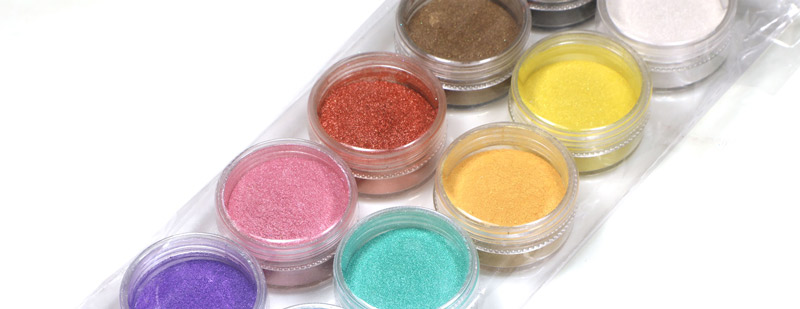
Một lỗi thường gặp là làm cho hỗn hợp quá bão hòa với... bột mica số lượng lớn Nếu hàm lượng chất tạo màu vượt quá 15% theo trọng lượng sẽ làm tăng độ nhớt, cản trở sự sắp xếp của các hạt màu và dẫn đến bề mặt bột mica bị mờ. Nếu độ bóng kém, thường là do hỗn hợp khô quá nhanh; việc thêm dung môi khô chậm thường hiệu quả hơn so với việc tăng thể tích chất tạo màu.
Khoảng cách giữa các sản phẩm trong nước và quốc tế đang thu hẹp nhờ những tiến bộ trong độ chính xác của lớp phủ. Trong khi dòng sản phẩm Iriodin của Merck nổi tiếng với khả năng kiểm soát độ dày cực tốt trong dòng "Sun Gold", các nhà lãnh đạo trong nước như iSuoChem (cụ thể là dòng sản phẩm của Merck) cũng đang dần được khẳng định, và các sản phẩm hàng đầu trong nước như iSuoChem (đặc biệt là dòng sản phẩm của Merck) cũng đang được phát triển. Dòng AS Hiện nay, các sản phẩm này đáp ứng được các tiêu chuẩn về khả năng chống chịu thời tiết và khả năng ngụy trang.
Đối với các ứng dụng chuyên biệt—chẳng hạn như bột mica đổi màu (từ xanh sang đỏ) hoặc phân bố kích thước hạt cực đoan—các nhà cung cấp bột mica bán buôn trong nước hiện nay cung cấp khả năng thay thế hoàn toàn cho các thương hiệu quốc tế. Sự chuyển đổi này được thúc đẩy bởi hiệu quả chi phí và dịch vụ vượt trội trên thị trường toàn cầu.
Tương lai của bột mica nằm ở việc "làm chủ ánh sáng" thông qua các hệ thống thông minh hơn. Điều này bao gồm cả mica đổi màu (như...). Dòng sản phẩm iSuoChem HC và dòng HT ) và các hệ thống ánh ngọc trai kết hợp với các sắc tố đổi màu theo nhiệt độ hoặc theo ánh sáng để tạo ra các bề mặt năng động, có khả năng phản ứng.
Để hỗ trợ các nhóm thu mua toàn cầu đang tìm kiếm nguồn cung cấp mica số lượng lớn, các điều khoản khu vực sau đây áp dụng cho các loại bột màu hiệu suất cao này:
Tiếng Tây Ban Nha: polvo de mica, sắc tố mica, polvo de mica blanca.
Tiếng Bồ Đào Nha: mica em pó, bột màu mica, pó de mica, micas bột màu.
Tiếng Pháp: poudre de mica, bột màu mica, poudre de perle.
Tiếng Ý: polvere di mica, micas sắc tố.
Tiếng Đức: Bột ánh sáng (bột mica), Perglanzpigment.
bản quyền © 2026 iSuoChem.Đã đăng ký Bản quyền.
đội ngũ chuyên nghiệp để phục vụ !
 web@ispigment.com
 +86 13965049124
 Tiếng Việt
  English
 français
 русский
 italiano
 español
 português
 العربية
 한국의
한국의 ไทย
ไทย


