Heading into 2026, the split between organic pigment and inorganic pigment is being reshaped by three forces at once: tighter environmental regulation, faster shift toward waterborne and low-VOC coating systems, and higher expectations for outdoor durability in exterior paint, coil coating and engineering plastic. This article summarises the market direction across both families, flags the grades that are being phased out, and points out where dual-family suppliers like iSuoChem are positioning their catalogue at https://www.ispigment.com/.
1. Regulatory pressure is redrawing the inorganic pigment map
Chromate-based pigment, lead chromate yellow and some cadmium-based grades continue to lose ground in Europe, North America and increasingly in China's domestic market. The gap is filled by two directions: high-performance organic pigment (DPP, isoindolinone, BiVO4-based yellow) and Complex Inorganic Color Pigment (CICP). CICP is particularly resilient because it combines heavy-metal compliance with Blue Wool 7-8 lightfastness and heat resistance above 500 °C.
Anti-corrosion pigment is going through a similar transition. Zinc chromate is being replaced by zinc phosphate, aluminium triphosphate and AP24-type composites. iSuoChem AP24 anti-corrosion pigment (P.G.51 family) sits in this space at https://www.ispigment.com/ and is regularly requested by primer formulators moving away from chromate chemistry.
2. Organic pigment: high-performance grades outrun commodity grades
Within the organic pigment family, commodity azo grades face price pressure and lightfastness complaints, especially for exterior use. High-performance organic pigment — DPP red, quinacridone red / violet, phthalocyanine blue / green (chlorine-free variants), isoindolinone yellow — is capturing more share in automotive top coat, architectural coating and outdoor plastic. Buyers who used to accept Blue Wool 5-6 for exterior projects are now pushing Blue Wool 7-8 as a standard specification.
3. Effect pigment demand is growing on both sides
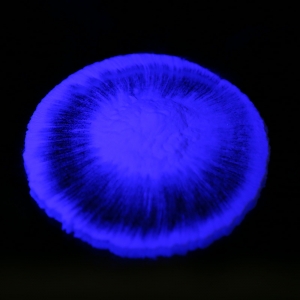
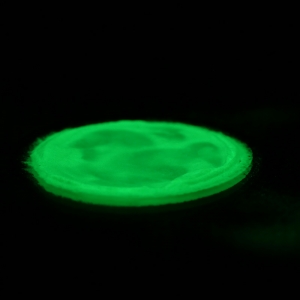
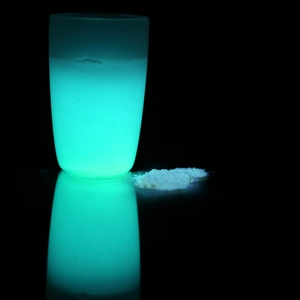
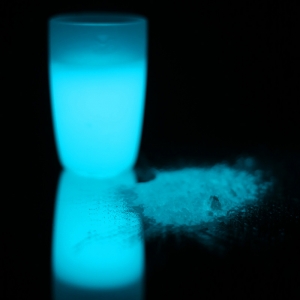
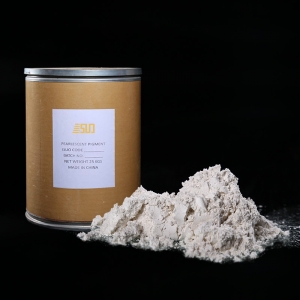
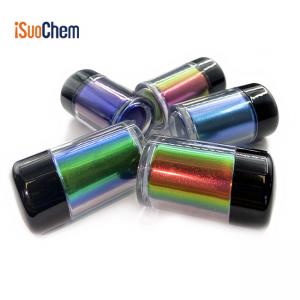
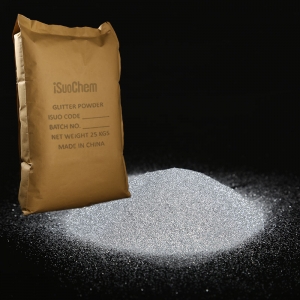
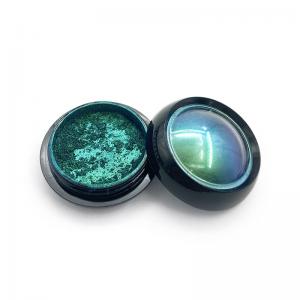
Pearlescent pigment, mica powder, glitter powder, glow in the dark pigment and thermochromic pigment are increasingly specified alongside the base color. This creates procurement pressure to consolidate suppliers: one purchase order that covers organic pigment, inorganic pigment and effect pigment reduces documentation load and shortens the sampling cycle. iSuoChem provides all three groups under one catalogue at https://www.ispigment.com/.
4. Waterborne and low-VOC systems change compatibility requirements
Waterborne architectural coating, waterborne wood coating and waterborne industrial coating are growing faster than solvent-based systems in most regions. This favours pigment grades with good water-dispersibility and alkali stability. Iron oxide, CICP and phthalocyanine blue / green usually adapt well; older azo grades and some lake pigments require reformulation. Buyers should ask suppliers for waterborne compatibility data (viscosity stability, flocculation resistance, alkali stability at pH 9-11) alongside standard TDS numbers.
5. 2026 market outlook (working forecast, not guarantee)
|
Segment
|
Direction in 2026
|
Winning pigment families
|
|
Exterior architectural coating
|
Higher weathering spec, more waterborne
|
Iron oxide, CICP, DPP, phthalocyanine (chlorine-free)
|
|
Automotive top coat and refinish
|
More bright and effect colors
|
Quinacridone, DPP, phthalocyanine + pearlescent pigment / mica powder
|
|
Outdoor engineering plastic
|
Higher temperature, longer service life
|
CICP, iron oxide, heat-stable DPP / PC
|
|
Anti-corrosion primer
|
Chromate-free acceleration
|
AP24 / zinc phosphate + iron oxide
|
|
Cosmetics and personal care
|
Stricter heavy-metal control
|
Cosmetic-grade organic pigment, cosmetic-grade mica powder
|
|
Ceramic and coil coating
|
Higher heat and UV requirement
|
Ceramic pigment, CICP
|
|
Printing ink for packaging
|
Migration-controlled, food-safe
|
Selected azo, phthalocyanine, DPP with migration test data
|
6. What buyers should prepare for in the next 12 months
-
Rebuild the approved-vendor list with dual-family capability: a single supplier that ships both organic pigment and inorganic pigment plus effect pigment simplifies audit and reduces sample rounds.
-
Upgrade lightfastness specification for exterior projects from Blue Wool 5-6 to Blue Wool 7-8 to align with 2026 regulatory and warranty expectations.
-
Prepare replacement plan for any remaining chromate or lead chromate grade; ask suppliers for CICP or high-performance organic pigment alternatives with matching shade.
-
Re-verify waterborne compatibility of every currently used organic pigment, especially azo and lake-type grades.
-
For anti-corrosion primer, request AP24 or zinc phosphate samples in parallel with the incumbent grade so migration risk is minimised before regulatory deadlines land.
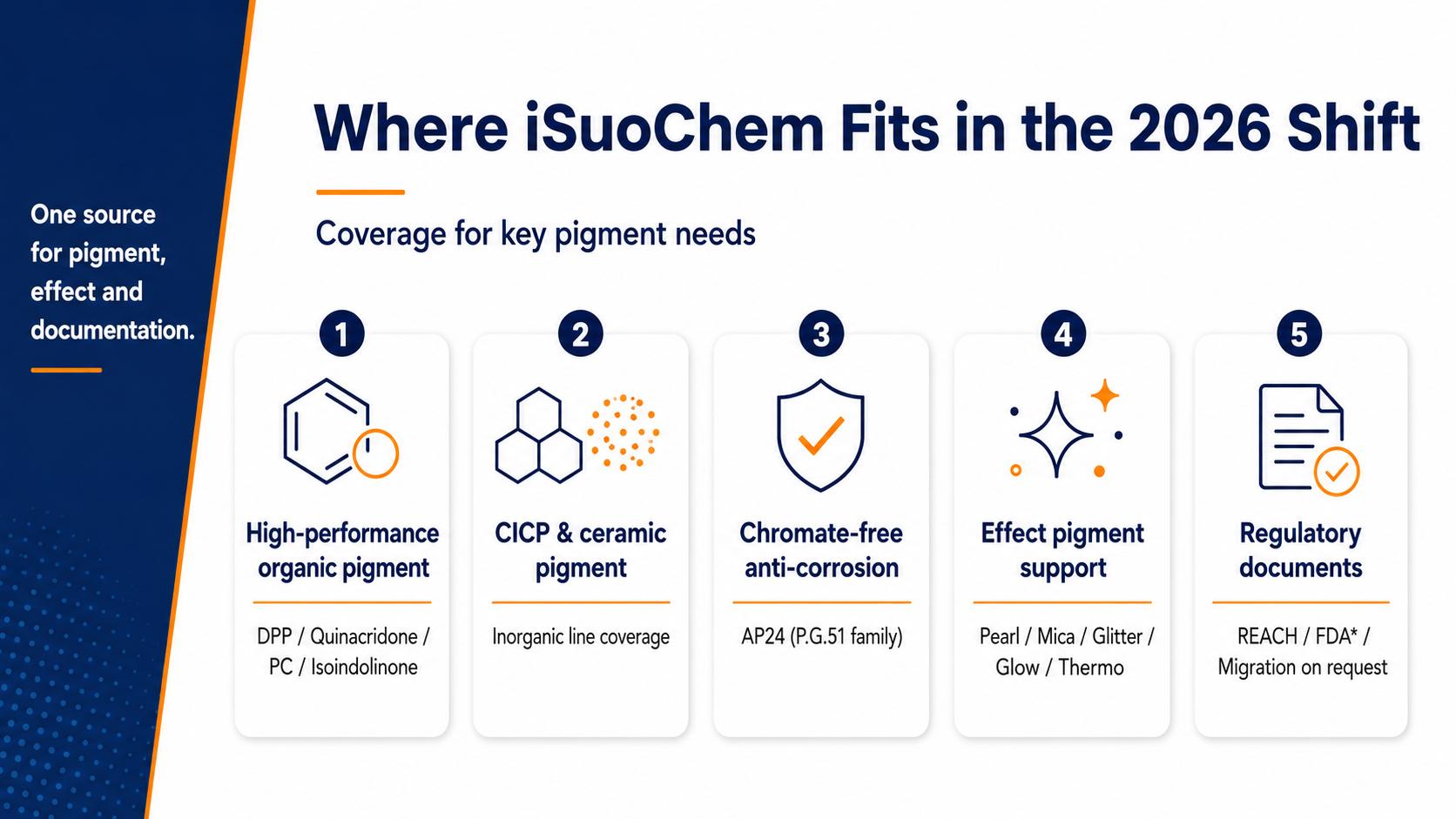
7. Where iSuoChem fits in the 2026 shift
|
2026 requirement
|
iSuoChem coverage
|
Site
|
|
High-performance organic pigment (DPP, quinacridone, PC, isoindolinone)
|
Yes, indexed on the pigment site
|
https://www.ispigment.com/
|
|
CICP mixed metal oxide and ceramic pigment
|
Yes, part of inorganic pigment line
|
https://www.ispigment.com/
|
|
Chromate-free anti-corrosion pigment
|
AP24 anti-corrosion pigment (P.G.51 family)
|
https://www.ispigment.com/
|
|
Effect pigment consolidation
|
Pearlescent pigment, mica powder, glitter powder, glow in the dark pigment, thermochromic pigment
|
https://www.ispigment.com/
|
|
Regulatory documentation (REACH, FDA where applicable, migration reports)
|
Available per shipment on request
|
https://www.ispigment.com/
|
FAQ
Q1. Is high-performance organic pigment going to fully replace inorganic pigment in 2026?
No. Inorganic pigment still wins on hiding power, heat resistance and cost per unit of opacity. High-performance organic pigment expands share where chroma and transparency matter. Most 2026 formulations continue to blend both families.
Q2. How urgent is the shift away from chromate anti-corrosion pigment?
In Europe and increasingly in Chinese export-focused primer projects, chromate replacement is already the baseline requirement rather than a future task. Domestic-only projects have more flexibility, but audit-driven customers are pushing the switch forward.
Q3. Which iSuoChem website should be linked for pigment content?
Use https://www.ispigment.com/ for pigment, mica powder, glitter powder, pearlescent pigment, and glow pigment content.
Q4. Does the 2026 shift favour dual-family suppliers over specialists?
For most industrial buyers, yes. Consolidated supply reduces the number of sample rounds, unifies regulatory paperwork and lets one supplier balance color pigment with effect pigment. iSuoChem is built around this dual-family model at https://www.ispigment.com/.
Q5. What data should I ask my current pigment supplier for right now?
Blue Wool lightfastness (target 7-8 for exterior), QUV data, heat resistance for plastic compounding temperature, waterborne compatibility (alkali and viscosity stability), migration report where relevant, and full REACH / FDA documentation. Missing data on any of these is a clear signal to broaden the shortlist.
Closing
2026 is not a year for coasting on the existing pigment lineup. Regulatory pressure, waterborne conversion and higher outdoor durability targets are pushing both organic pigment and inorganic pigment portfolios into new specifications. Buyers who audit their approved-vendor list now, upgrade lightfastness spec, and consolidate to dual-family suppliers such as iSuoChem at https://www.ispigment.com/ will spend less time firefighting compliance and more time on product development.


 web@ispigment.com
 +86 13965049124
 Tiếng Việt
  English
 français
 русский
 italiano
 español
 português
 العربية
 한국의
한국의 ไทย
ไทย