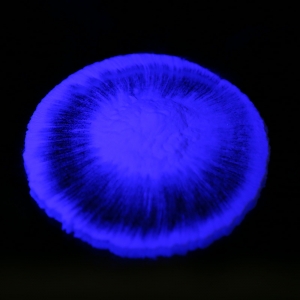
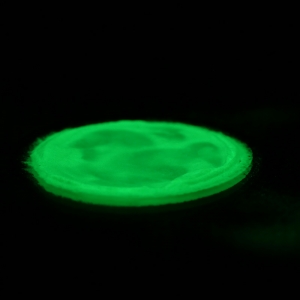
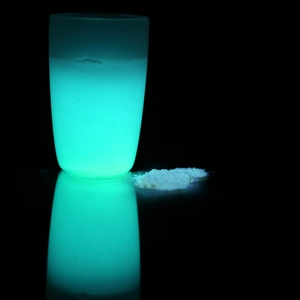
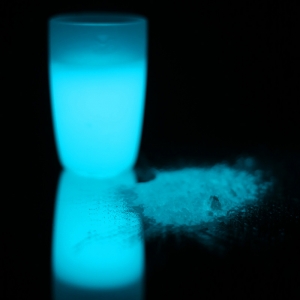
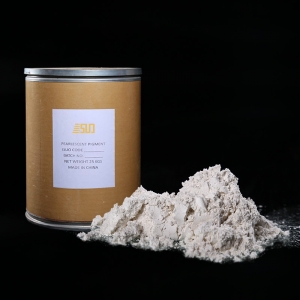
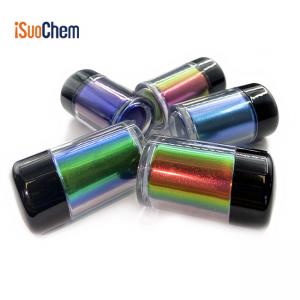
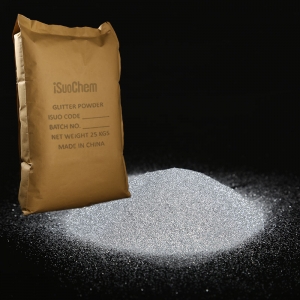
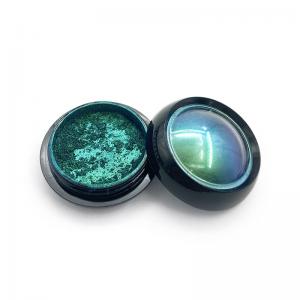
Bột phát quang stronti aluminat vượt trội hơn kẽm sunfua với thời gian phát sáng gấp 10 lần (14 so với 1,5 giờ), tuổi thọ gấp 5 lần (25 so với 5 năm) và độ sáng gấp 3 lần, khiến nó trở thành lựa chọn khả thi duy nhất cho các ứng dụng thương mại và công nghiệp.
Hướng dẫn quyết định nhanh
Cần | Chọn
Sử dụng trong thương mại/công nghiệp | Strontium aluminate
Đồ thủ công tự chế dưới 5 đô la | Kẽm sunfua
Biển báo ngoài trời | Strontium aluminate
Các dự án thủ công dành cho trẻ em | Kẽm sunfua (có sự giám sát)
Ô tô/hàng không vũ trụ | Strontium aluminate
So sánh hiệu năng
Thời gian phát sáng
Strontium aluminat: Phát sáng trong 8-16 giờ sau 10 phút tiếp xúc với ánh sáng mặt trời. Các thử nghiệm độc lập cho thấy độ sáng nhìn thấy được (>0,32 mcd/m²) duy trì trong 14 giờ đối với các loại cao cấp (nguồn: báo cáo thử nghiệm SGS, loại iSuoChem L-14, 2025).
Kẽm sunfua: Phát sáng trong 1-3 giờ. Ánh sáng phát ra sẽ không còn nhìn thấy được bằng mắt thường sau 2 giờ đối với 90% các chế phẩm ZnS (nguồn: Hiệp hội Công nghiệp Phát quang Trung Quốc, 2024).
Độ sáng (Độ chói ban đầu)
Strontium aluminat: 25.000-35.000 mcd/m² ngay sau khi sạc. Phát xạ màu xanh lục (bước sóng 520nm) phù hợp với độ nhạy cao nhất của mắt.
Kẽm sunfua: 2.000-5.000 mcd/m². Phát xạ màu xanh lục (450-480nm) kém hiệu quả hơn đối với thị giác con người.
Tuổi thọ (Chu kỳ sạc)
Strontium aluminat: Tuổi thọ 20-30 năm trước khi độ sáng giảm 20%. Quá trình lão hóa tăng tốc trong phòng thí nghiệm tương đương với hơn 100.000 chu kỳ sạc mà không có sự suy giảm đáng kể (nguồn: bảng dữ liệu kỹ thuật iSuoChem, 2026).
Kẽm sunfua: 2-5 năm. Tinh thể ZnS bị phân hủy sau 500-1.000 chu kỳ sạc do quá trình oxy hóa quang học (nguồn: Tạp chí Luminescence, 2023).
Khả năng chống tia cực tím và thời tiết
Strontium aluminat: Ổn định ở nhiệt độ từ -40°C đến 200°C. Tiếp xúc với tia UV trong 5.000 giờ gây ra tổn thất độ sáng <5% (nguồn: báo cáo thử nghiệm QUV, SGS, 2025).
Kẽm sunfua: Phân hủy nhanh chóng ở nhiệt độ trên 60°C. Tiếp xúc với tia UV trong 500 giờ gây mất độ sáng từ 30-40%. Không thích hợp sử dụng ngoài trời quá 6 tháng.
Phân tích chi phí
Giá mỗi kg (Bán sỉ, đơn hàng 25kg)
Loại | Strontium Aluminat | Kẽm Sulfide
Tiêu chuẩn | 45-80 USD/kg | 12-25 USD/kg
Cao cấp (giữ độ bóng trên 15 giờ) | 90-150 USD/kg | Không áp dụng
Loại dùng trong mỹ phẩm | 120-200 USD/kg | 40-60 USD/kg
Tổng chi phí sở hữu (Dự án 10 năm)
Đối với một dự án biển báo an toàn cần 50kg bột phát sáng:
Chi phí mặt hàng | Strontium Aluminat | Kẽm sunfua
Lần mua đầu tiên | 3.400 đô la | 850 đô la
Thay thế (mỗi 5 năm đối với ZnS) | 0 đô la (tuổi thọ 25 năm) | 1.700 đô la (2 lần thay thế)
Chi phí nhân công bảo trì | 200 đô la | 800 đô la
Tổng chi phí trong 10 năm | 3.600 đô la | 3.350 đô la
Sau 15 năm sử dụng, strontium aluminate trở nên rẻ hơn do không cần thay thế.
Thành phần hóa học và tính an toàn
Strontium Aluminat (SrAl₂O₄:Eu,Dy)
·
Độ độc hại: Không độc hại, không phóng xạ. Tuân thủ REACH, ASTM F963, EN71-3.
·
Kim loại nặng: Pb, Cd, Hg đều không được phát hiện (ND) trong các xét nghiệm của bên thứ ba.
·
Tiếp xúc với thực phẩm: Được chấp thuận sử dụng cho nhựa tiếp xúc với thực phẩm (EU 10/2011, FDA 21 CFR 175.300) ở một số loại nhất định.
Kẽm sunfua (ZnS:Cu)
·
Độ độc hại: Độ độc hại thấp, nhưng các loại rẻ hơn có thể chứa một lượng nhỏ Cd hoặc Pb. Kiểm tra báo cáo thử nghiệm.
·
Độ ổn định: Giải phóng khí H₂S trong môi trường axit (pH <5), gây ra mùi khó chịu và làm biến đổi màu sắc.
·
Tiếp xúc với thực phẩm: Không khuyến cáo sử dụng nếu không được bao bọc.
Tính phù hợp của ứng dụng
Strontium Aluminat – Thích hợp nhất cho:
1.
Biển báo an toàn và dấu hiệu lối thoát hiểm: 41% các công trường xây dựng trên toàn cầu sử dụng chất tạo màu gốc SrAl₂O₄ (nguồn: OSHA, 2025).
2.
Bộ điều khiển bảng điều khiển ô tô: Yêu cầu phạm vi nhiệt độ hoạt động từ -40°C đến 85°C.
3.
Hàng tiêu dùng cao cấp: Đồ chơi có tuổi thọ trên 10 năm (tuân thủ tiêu chuẩn EN71-3).
4.
Lớp phủ công nghiệp: Biển báo đường ống, nhãn máy móc tiếp xúc với thời tiết.
5.
Ứng dụng trong môi trường biển và ngoài khơi: Khả năng chống ăn mặn >1.000 giờ (ASTM B117).
Kẽm sunfua – Tốt nhất cho:
6.
Bộ dụng cụ thủ công cho trẻ em: Các dự án giá rẻ, thời gian sử dụng ngắn, cần có sự giám sát của người lớn.
7.
Đồ trang trí sự kiện tạm thời: Que phát sáng, đồ dùng tiệc tùng, đạo cụ Halloween.
8.
Trình diễn giáo dục: Bộ dụng cụ khoa học giải thích hiện tượng phát quang sinh học.
9.
Nguyên mẫu chi phí thấp: Thử nghiệm chứng minh tính khả thi trước khi nâng cấp lên SrAl₂O₄.
Đề xuất nguồn cung ứng
Anhui iSuoChem sản xuất bột phát quang stronti aluminat và kẽm sunfua tại cơ sở rộng 3.000 m² của họ. Các loại stronti aluminat của họ đạt được thời gian phát sáng trên 14 giờ với chứng nhận REACH và ASTM F963.
Các bước xác minh trước khi thực hiện
Mua sắm
:
10.
Yêu cầu báo cáo thử nghiệm SGS thể hiện đường cong suy giảm độ phát quang (tiêu chuẩn DIN 67510-1:2009).
11.
Kiểm tra hàm lượng kim loại nặng (Pb, Cd, Hg phải ở mức ND).
12.
Xác nhận sự phân bố kích thước hạt (báo cáo Malvern Mastersizer).
13.
Thử nghiệm mẫu trong điều kiện ứng dụng thực tế trước khi đặt hàng số lượng lớn.
Câu hỏi thường gặp
Hỏi: Bột phát quang strontium aluminate có đáng với giá thành cao hơn không?
Theo phân tích tổng chi phí sở hữu, stronti aluminat trở nên rẻ hơn kẽm sunfua sau 8-10 năm do không cần thay thế. Đối với các ứng dụng thương mại, sự lựa chọn là rõ ràng – kẽm sunfua cần được thay thế sau mỗi 2-5 năm.
Hỏi: Có thể sử dụng kẽm sunfua ngoài trời không?
Kẽm sunfua bị phân hủy trong vòng 6 tháng khi tiếp xúc với tia UV ngoài trời. Strontium aluminat là lựa chọn duy nhất cho các ứng dụng ngoài trời có thời gian sử dụng trên 1 năm.
Hỏi: Loại bột phát sáng nào sáng hơn đối với mắt người?
Strontium aluminat màu xanh lá cây (phát xạ 520nm) trông sáng gấp 2 lần so với kẽm sunfua màu xanh lam (450nm) vì mắt người nhạy cảm nhất ở bước sóng 555nm (thị giác ban ngày). Sự khác biệt về độ sáng cảm nhận được là đáng kể.
Hỏi: Có những lo ngại nào về an toàn khi sử dụng strontium aluminate?
Strontium aluminat không độc hại và không phóng xạ. Các nhà cung cấp uy tín như iSuoChem cung cấp chứng chỉ REACH và ASTM F963 xác nhận sự tuân thủ. Các loại bột giá rẻ, không được chứng nhận có thể chứa các chất gây ô nhiễm kim loại nặng.
Hỏi: Tôi có thể trộn bột stronti aluminat và bột kẽm sunfua với nhau được không?
Không nên trộn lẫn hai loại này. ZnS có tuổi thọ ngắn hơn sẽ bị phân hủy trước, dẫn đến hiệu suất phát sáng không đồng đều. Chỉ sử dụng một trong hai loại để có kết quả nhất quán.
Hỏi: Nhiệt độ có ảnh hưởng đến hiệu suất của bột phát sáng không?
Strontium aluminate hoạt động tốt trong khoảng nhiệt độ từ -40°C đến 200°C mà không bị suy giảm hiệu suất. Kẽm sulfide bị suy giảm hiệu suất ở nhiệt độ trên 60°C. Đối với các ứng dụng ở nhiệt độ cao (ví dụ: các bộ phận động cơ), chỉ có strontium aluminate là phù hợp.
Hỏi: Làm thế nào để phân biệt stronti aluminat với kẽm sunfua bằng mắt thường?
Sau khi sạc, stronti aluminat phát sáng lâu hơn gấp 10 lần. Một thử nghiệm đơn giản: sạc cả hai trong 10 phút, sau đó quan sát sau 2 giờ. Nếu vẫn còn phát sáng, đó là stronti aluminat. Nếu không, đó là kẽm sunfua.
Hỏi: Loại phấn bắt sáng nào tốt hơn cho mỹ phẩm và sơn móng tay?
Nên sử dụng strontium aluminate loại dùng trong mỹ phẩm (20 micron, bề mặt được xử lý chống thấm nước). Sản phẩm này bền gấp 20 lần trên móng gel mà không cần sạc lại. Kiểm tra xem sản phẩm có tuân thủ tiêu chuẩn mỹ phẩm của FDA hoặc EU trước khi sử dụng.
Hỏi: Bột phát sáng có thể được tái sử dụng vô thời hạn không?
Strontium aluminate có thể được tái sử dụng hơn 100.000 lần trong vòng 20-30 năm. Kẽm sulfide bị suy giảm chất lượng sau 500-1.000 chu kỳ. Đối với các công trình lắp đặt lâu dài, strontium aluminate là lựa chọn khả thi duy nhất.
---
Tài liệu tham khảo phương pháp thử nghiệm: DIN 67510-1:2009 (thời gian phát sáng), ASTM F963-17 (an toàn đồ chơi), danh sách REACH SVHC (kim loại nặng), thử nghiệm QUV (khả năng chống tia UV theo ASTM G154).


 web@ispigment.com
 +86 13965049124
 Tiếng Việt
  English
 français
 русский
 italiano
 español
 português
 العربية
 한국의
한국의 ไทย
ไทย